

SCIENTIFIC MONOGRAPH: GREESPI
- Status: Intact Bioactive Food Matrix
- Standard: Format-First™ Protocols
- Core Logic: Direct Cellular Assimilation via Native Glycoprotein Envelope


BIOLOGICAL PARADIGM
Microalgae as a self-sufficient cellular matrix: a benchmark for systemic bioavailability.
Modern nutrition is shifting from reductionism (isolated compounds) to systems biology. Greespi approaches microalgae as a self-contained nutritional architecture with horizontal nutrient synergy. Over 200 bioactive compounds coexist in evolutionarily balanced proportions, preventing nutrient antagonism. The entire physiological logic rests on a single foundation: supporting the gut ecosystem and providing direct cellular nutrition.

Unlike higher plants, where most of the biomass consists of structural ballast tissues (lignin, cellulose), the Greespi microalgal matrix lacks secondary morphology and cellulosic walls.
The Insight
Every cell functions as an active metabolic node. In this evolutionary model, the entire physical volume of the cell carries nutritional value. The body receives a concentrated nutrient resource without metabolic noise or energy expenditure on the catabolism of ballast structures.

The key factor in systemic assimilation is the architecture of the cell envelope. The absence of a rigid cellulosic barrier and the presence of an elastic glycoprotein layer ensure:
Passive Diffusion
Rapid release and absorption of active nutrients without harsh digestive breakdown. This is critical for avoiding mucosal irritation and maintaining the integrity of the intestinal epithelium.
Biocompatibility
Natural biochemical affinity between the microalgal lipid bilayer and human cell membranes makes Greespi a benchmark systemic resource for cellular renewal.

The native matrix functions as a direct photosynthetic redox system. In its preserved state, it contains unique pigment-protein complexes (phycocyanin) that act as natural electron donors.
The Mechanism
Maintenance of cellular homeostasis through the systemic neutralization of free radicals and protection of the mitochondrial pool. This provides fundamental nutritional support for the cell's redox status and helps balance a healthy cytokine profile, supporting metabolic resilience and cellular longevity.
TECHNOLOGICAL IMPERATIVEFORMAT-FIRST™
Preservation of the native structure as an absolute prerequisite for functional stability.
The biological value of a food matrix is defined by the three-dimensional spatial configuration of its compounds rather than a static list of substances. The Greespi format relies on the principles of thermodynamics and cell biology to maintain its molecular integrity.
Most compounds in the native Greespi profile are thermo- and oxidolabile. Thermal processing inevitably denatures protein components, destroys the bilin chromophores of pigments, and inactivates enzymatic centers.
The Protocol
Instant stabilization via flash freezing locks the biosystem in a state of peak activity. This temperature regime preserves enzymatic potential (specifically, intact superoxide dismutase, SOD) and protects polyunsaturated fatty acids in their native configuration.
Physiological compatibility with a sensitive gut ecosystem demands strict toxicological purity. We prevent toxic load on detoxification pathways through complete isolation of the production cycle and multi-stage laboratory control.
The Standard
Cultivation in closed photobioreactors (closed-loop system) ensures the biological purity of the growth medium. This precludes the accumulation of heavy metals and environmental contaminants, verified by independent SGS testing and compliance with ISO 22000, HACCP, and GMP standards.
Global Compliance
Adherence to stringent Halal and Kosher requirements. Its clean-label, plant-based, and low-FODMAP compatible profile makes Greespi a benchmark resource for preventive health strategies and modern dietary protocols.
Sustainability Science
A highly energy-efficient method of biosynthesis that minimizes the ecological footprint. This modern production model delivers a high yield of active compounds per unit of consumed energy.
Cultivation in closed systems as a safeguard against heavy metal biosorption and environmental contamination.
- Source: Vuppaladadiyam, A. K., et al. (2018). Biofuels, Bioproducts and Biorefining
- Validation Status: Comprehensive peer-reviewed review
Physicochemical evidence of phycocyanin chromophore degradation and loss of functional activity upon heating.
- Source: Böcker, L., et al. (2020). Food Chemistry
- Validation Status: Peer-reviewed study
Enzymatic and chemical degradation of native metabolites, pigments, and polar lipids during thermal dehydration of the cellular matrix.
- Source: Mróz, M., et al. (2024). Molecules
- Validation Status: Peer-reviewed study
Preservation of pigment-protein complexes, water-soluble proteins, and native antioxidant capacity in frozen microalgal biomass.
- Source: Papalia, T., et al. (2019). Molecules
- Validation Status: Peer-reviewed study
BIOACTIVE PROFILE
Biochemical profiling of the native Greespi matrix. Data from an independent analytical audit by Qlab (ISO/IEC 17025 international accreditation).
The Precision Factor & Food-State Assimilation: The assimilation efficiency of Greespi is based on the principle of bio-recognition. Because all nutrients are integrated within an intact cell featuring an elastic glycoprotein envelope, the matrix functions as a natural delivery system. This enables passive diffusion of active components without metabolic noise.
- Native Phycocyanin (69,500 mg/kg): A unique phycobiliprotein preserved in its intact spatial configuration. Supports a balanced cytokine profile and helps protect the mitochondrial pool.
- Chlorophyll (12,000 mg/kg): Supports cellular oxygen metabolism and endogenous detoxification pathways.
- Beta-Carotene (250.25 mg/kg): A provitamin supporting epithelial integrity and normal mucosal immune function.
- Lutein (59.95 mg/kg) & Zeaxanthin (6.73 mg/kg): Bioavailable carotenoids that help protect neuronal lipid membranes against oxidative stress.
- Protein Matrix (8.86%): A full spectrum of essential amino acids in an undenatured state.
- γ-Linolenic Acid / GLA (1,200 mg/kg): A metabolic precursor to regulatory prostaglandins (PGE₁).
- Magnesium (361 mg/kg): Cofactor for cellular ATP synthesis.
- Calcium (222 mg/kg): A signaling ion supporting epithelial barrier function.
- Iron (48.5 mg/kg) & Vitamin C (383.33 mg/kg): Nutritional synergy supporting normal hematopoiesis and iron absorption.
- Vitamin B3 (2.24 mg/kg): An NAD⁺ precursor for cellular energy metabolism.
Impact of the native microalgal matrix on the preservation of thermolabile compounds and nutrient bioavailability compared to dried forms.
- Source: Luo, G., et al. (2024). Frontiers in Nutrition
- Validation Status: Comprehensive peer-reviewed review
Bioactive potential and regulatory role of whole microalgal biomass in supporting metabolic homeostasis.
- Source: Gentscheva, G., et al. (2023). Life
- Validation Status: Comprehensive peer-reviewed review
Complementary contribution of phycocyanin and chlorophyll to the cellular redox profile and radical-scavenging capacity.
- Source: Nikolova, K., et al. (2024). Separations
- Validation Status: Peer-reviewed study
Bio-chelated iron speciation and the role of native phycocyanin-protein complexes as an effective trace element delivery matrix.
- Source: Isani, G., et al. (2022). International Journal of Molecular Sciences
- Validation Status: Peer-reviewed study
MECHANISMS OF ACTION

Native polysaccharides act as a selective substrate for commensal microbiota. Their fermentation generates short-chain fatty acids (SCFAs), which, alongside intracellular calcium, support tight junction proteins. The Result: Maintenance of intestinal barrier integrity and selective mucosal permeability.
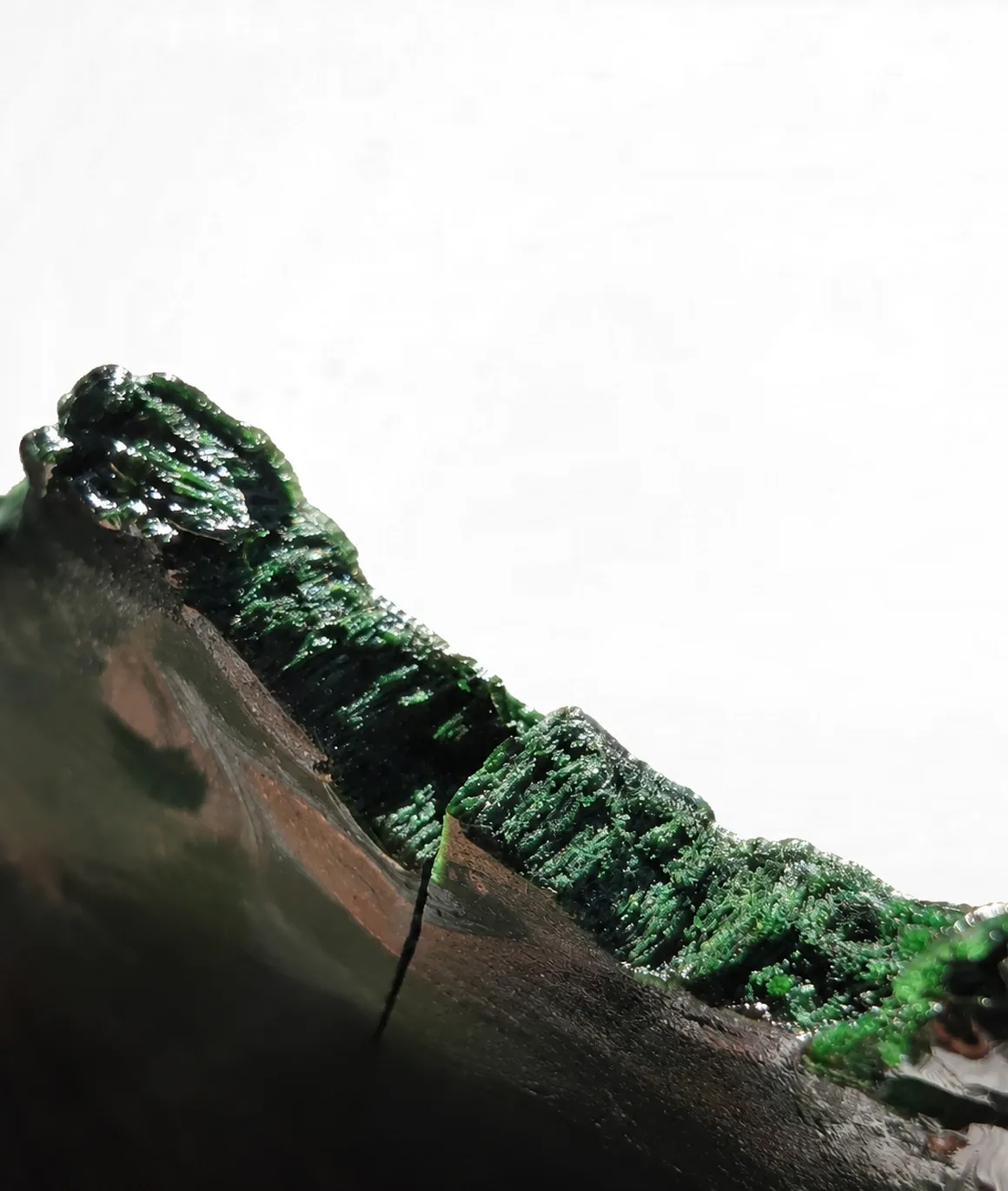

Greespi provides a complete pool of precursors (cysteine, glycine, glutamate) for the synthesis of glutathione, the master intracellular antioxidant. Active SOD neutralizes superoxide radicals at their point of generation, helping protect DNA and the mitochondrial pool.

Native phycocyanin acts as a redox shield, supporting the mitochondrial electron transport chain. Vitamin B3 replenishes the pool of NAD⁺ coenzymes required for DNA repair and cellular energy (ATP) production without inducing metabolic stress.
Sulfated polysaccharides support selective barrier protection at cellular membranes. GLA facilitates the synthesis of PGE₁ prostaglandins, helping maintain physiological cytokine signaling.

Microbiome balance supports endogenous neurotransmitter synthesis. Concurrently, lutein and zeaxanthin cross the blood-brain barrier, helping protect neurons against oxidative stress.
CLINICAL REGISTRYPHYSIOLOGICAL VALIDATION
Verified data from the international PubMed (NCBI) database regarding physiological outcomes in human studies.
Systemic Oxidative Unloading: Controlled human trials confirm a statistically significant increase in blood glutathione (GSH) levels and superoxide dismutase (SOD) activity, contributing to a reduction in systemic oxidative load.
Sources: 1. Kalafati, M., et al. (2010). Medicine & Science in Sports & Exercise | 2. Naeini, F., et al. (2021). International Journal of Clinical Practice
Validation Status: Randomized controlled trial & Meta-analysis of clinical trials

Barrier Integrity & Microbiota: Clinical evidence demonstrates the capacity of microalgal biomass to support barrier protein regulation (modulation of zonulin levels) and microbiota balance, helping maintain normal intestinal epithelial permeability and a balanced inflammatory profile.
Source: Nasab, S. J., et al. (2025). Nutrition Journal
Validation Status: Randomized, double-blind, placebo-controlled trial

Innate Immune & Barrier Defense: Human and mechanistic studies demonstrate the capacity of bioactive polysaccharide fractions to support the innate immune response (by optimizing natural NK-cell activity and IFN-γ signaling pathways). Furthermore, these macromolecules help stabilize host cell membranes, complicating receptor binding and cellular adhesion of external biological stressors.
Sources: 1. Hirahashi, T., et al. (2002). International Immunopharmacology | 2. Chen, W., et al. (2023). Phytomedicine
Validation Status: Human clinical study & Mechanistic peer-reviewed study

Cognitive Relevance: Clinical and preclinical studies substantiate the ability of microalgal bioactive fractions to support key domains of cognitive function (visual learning, working memory), alongside cellular redox modulation, balanced neuro-immune signaling, and support of neuronal BDNF/CREB pathways.
Sources: 1. Choi, W.-Y., et al. (2022). Nutrients | 2. Trotta, T., et al. (2022). Nutrients
Validation Status: Randomized, double-blind, placebo-controlled trial & Comprehensive review
Organ Tolerance & USP Class A Safety: Clinical data and evaluations by international pharmacopeial committees confirm safe systemic assimilation without creating metabolic noise or overloading detoxification organs. A 12-week placebo-controlled trial confirms high biocompatibility across hepatic and renal markers, while the United States Pharmacopeia (USP) Expert Committee awarded the biomass its highest safety rating (Class A).
Sources: 1. Karizi, S. R., et al. (2023). Phytotherapy Research | 2. Marles, R. J., et al. (2011). Critical Reviews in Food Science and Nutrition
Validation Status: Randomized, double-blind, placebo-controlled trial & USP Expert Committee safety evaluation
TESTING & TRANSPARENCY
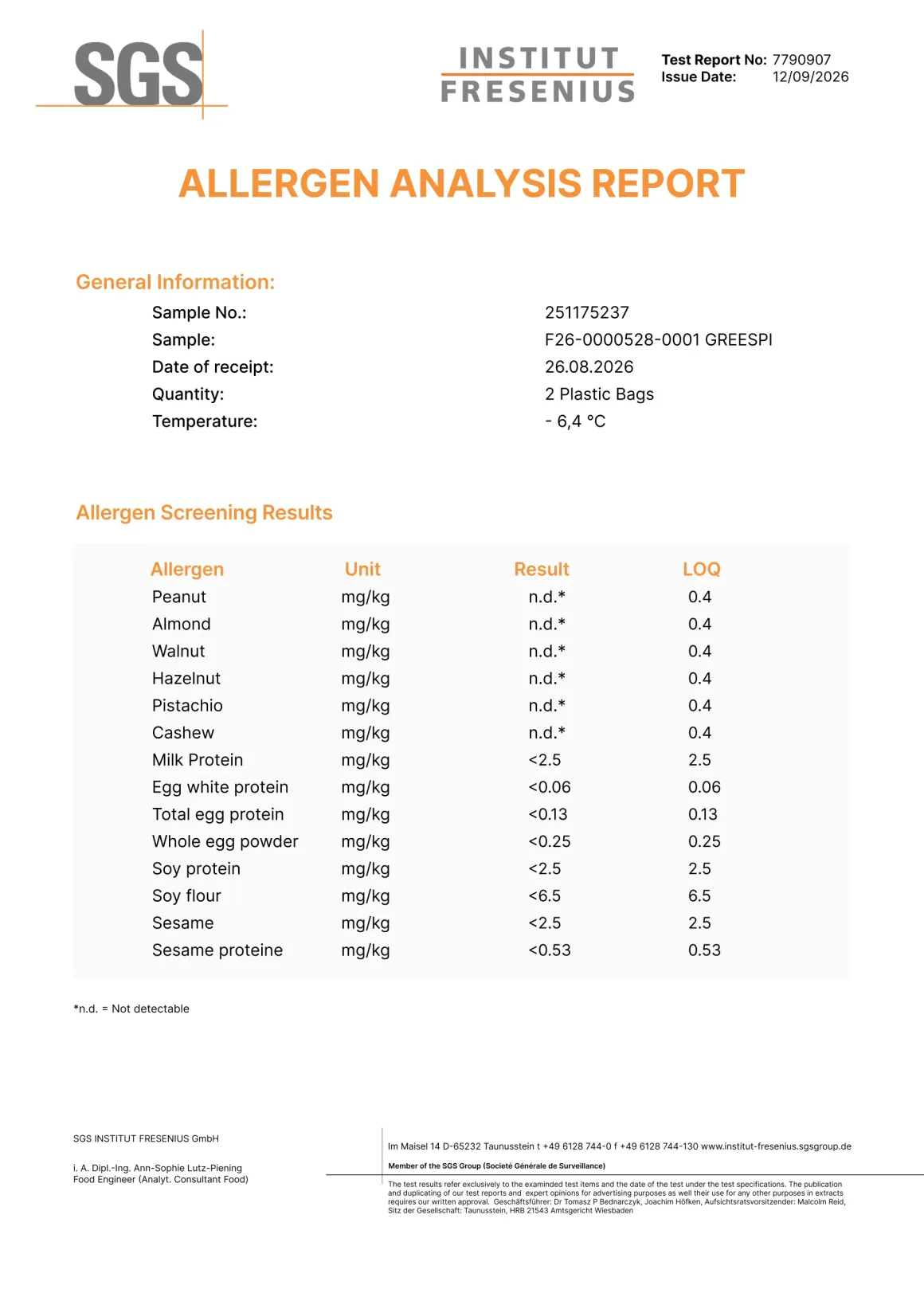
ALLERGEN ANALYSIS REPORT
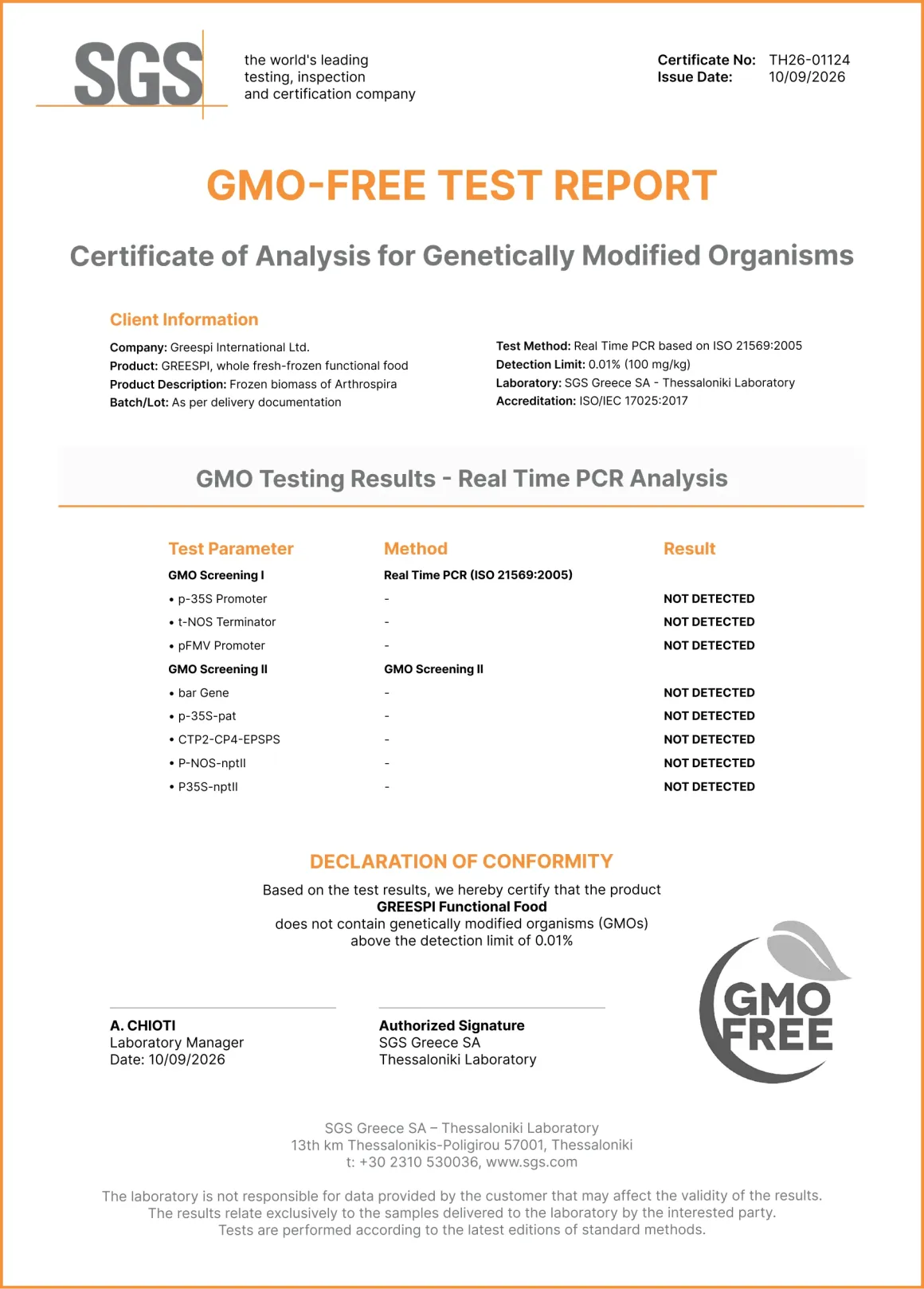
GMO-FREE TEST REPORT
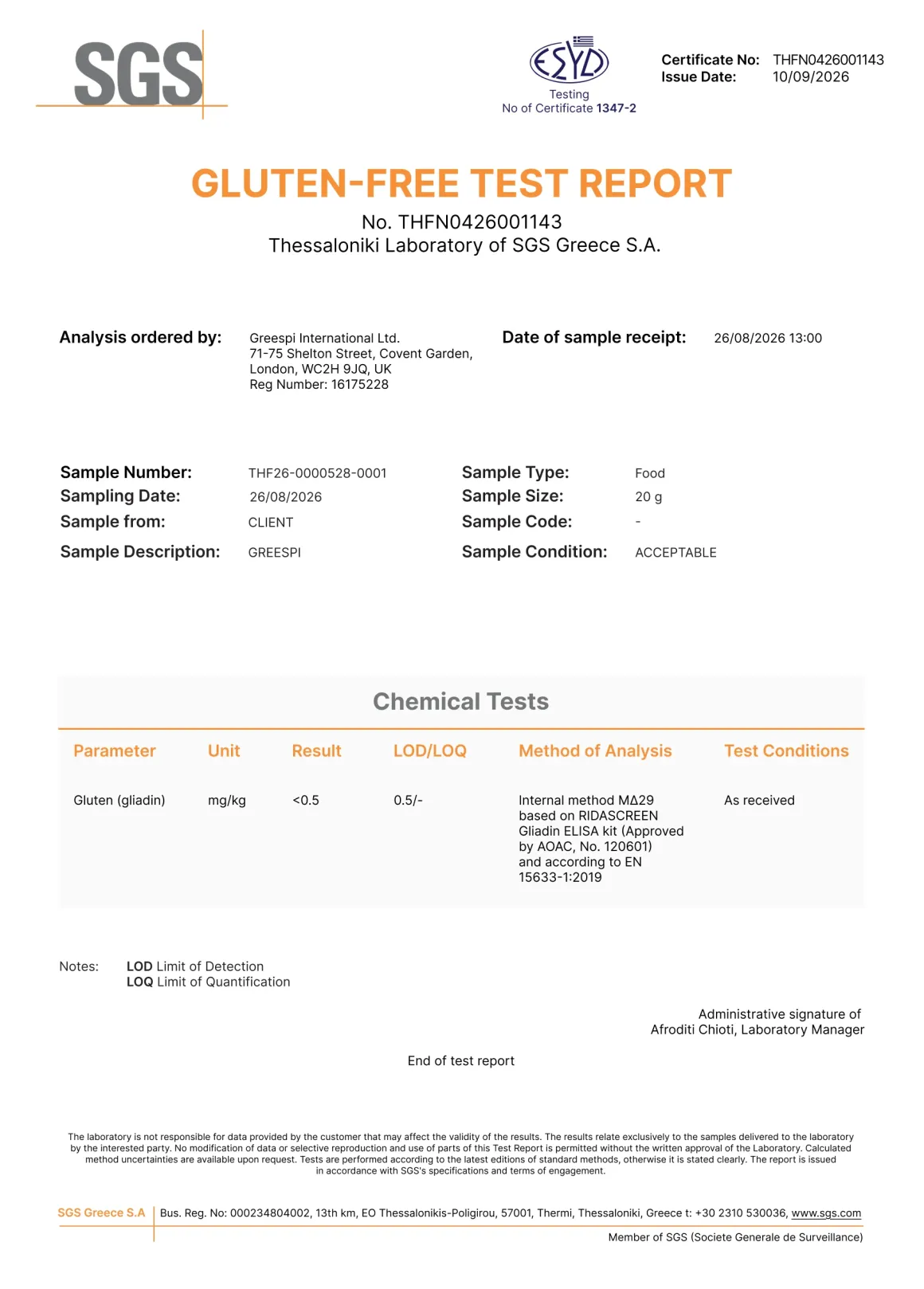
GLUTEN-FREE TEST REPORT
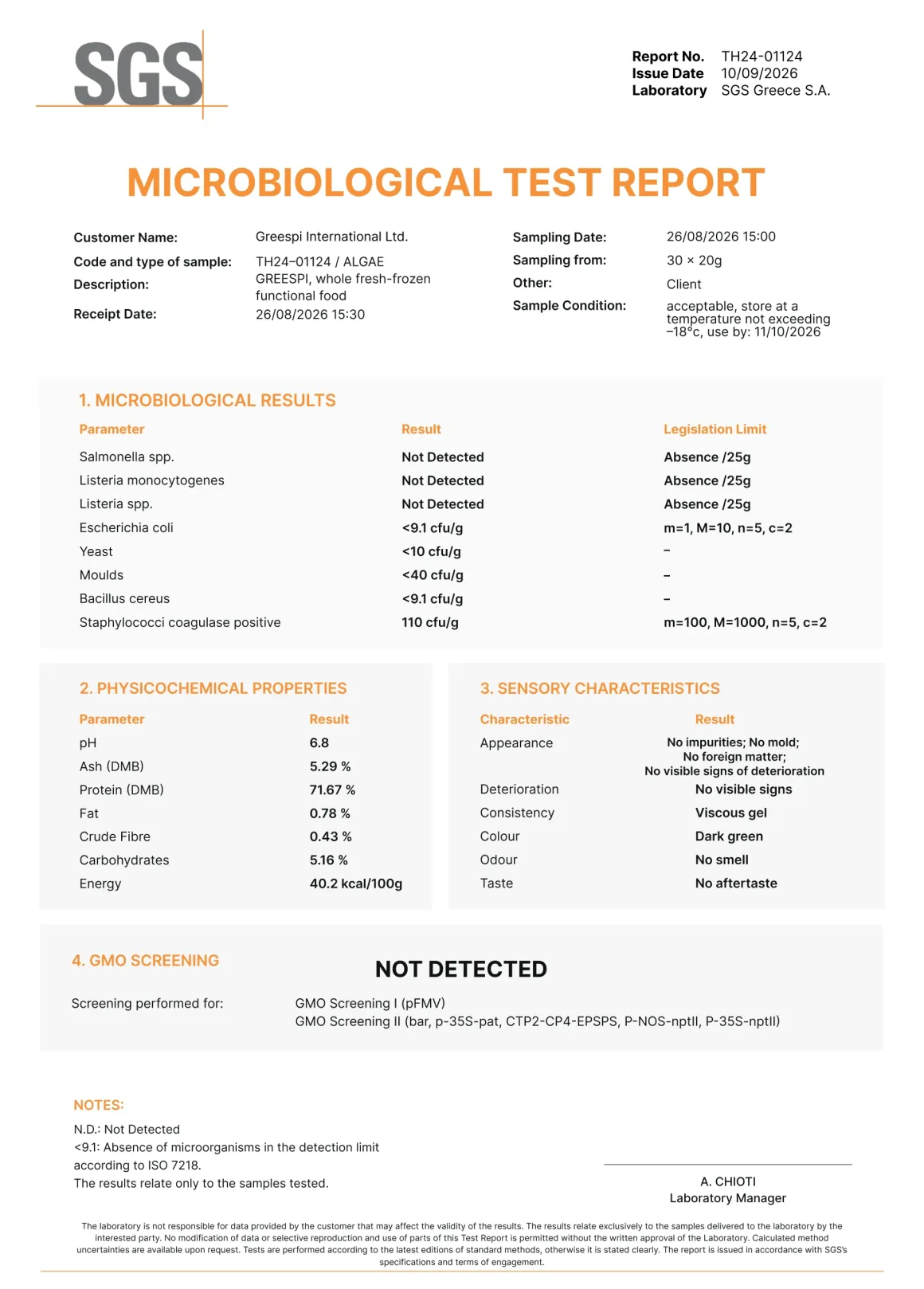
MICROBIOLOGICAL TEST REPORT
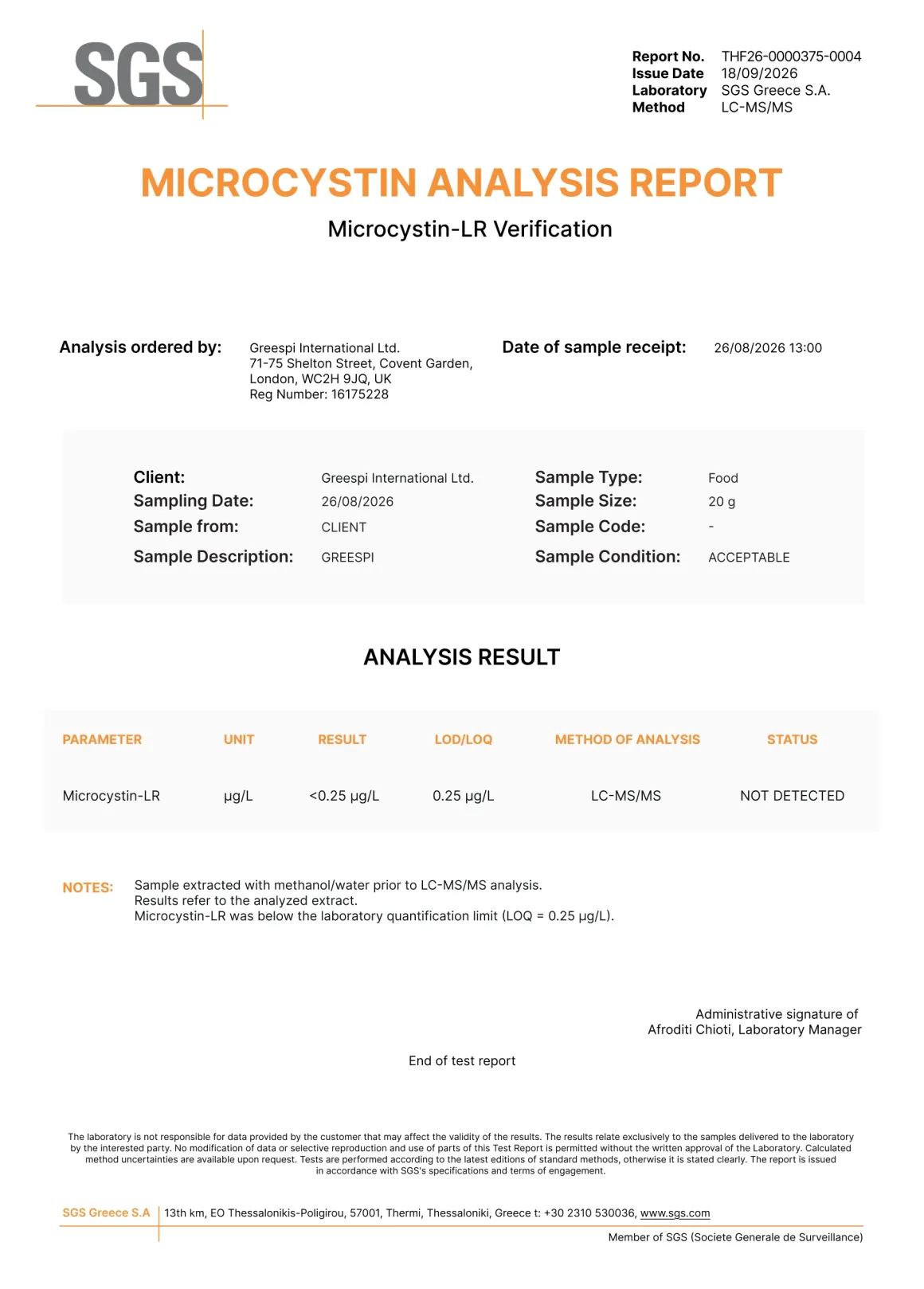
MICROCYSTIN ANALYSIS REPORT
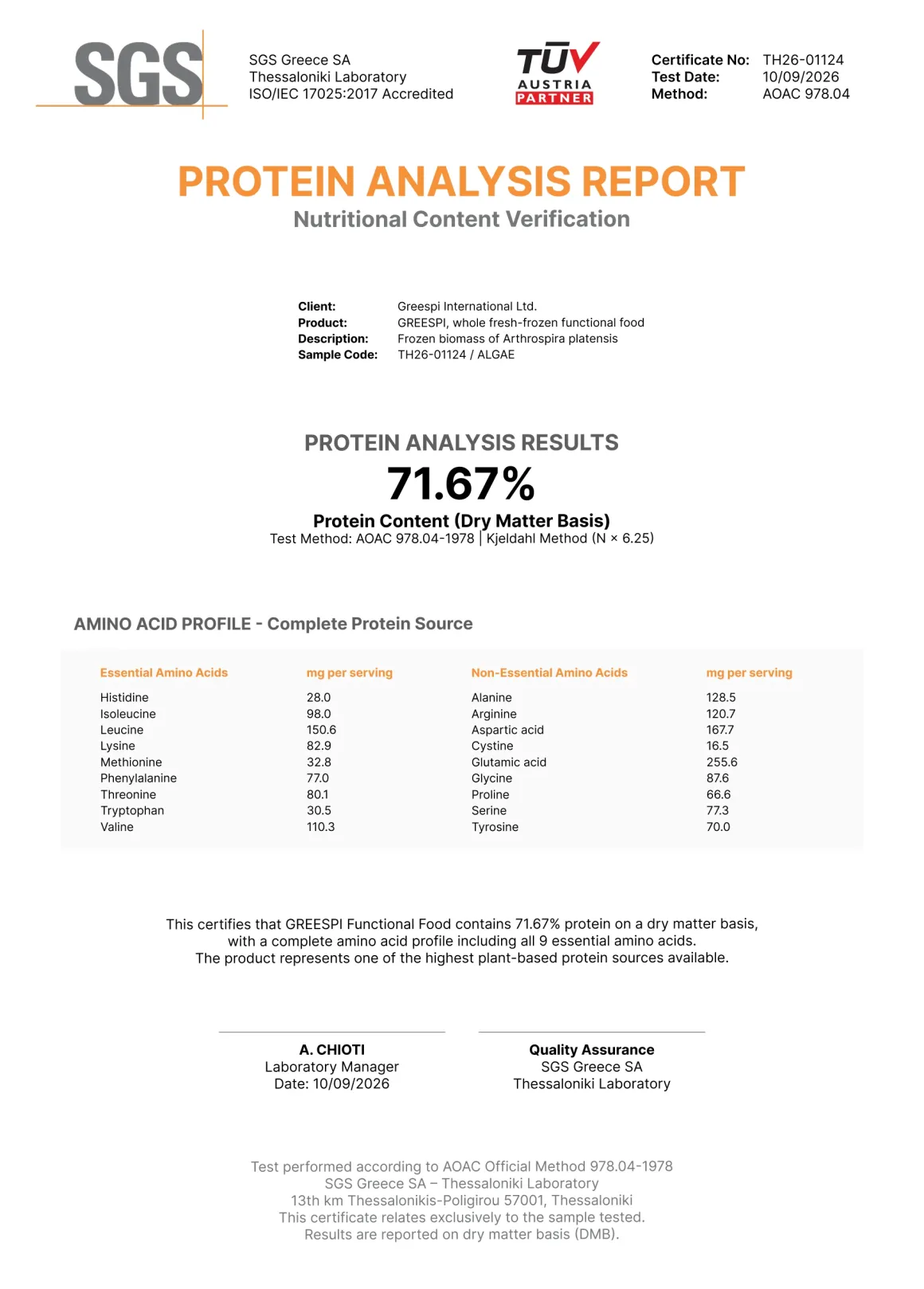
PROTEIN ANALYSIS REPORT
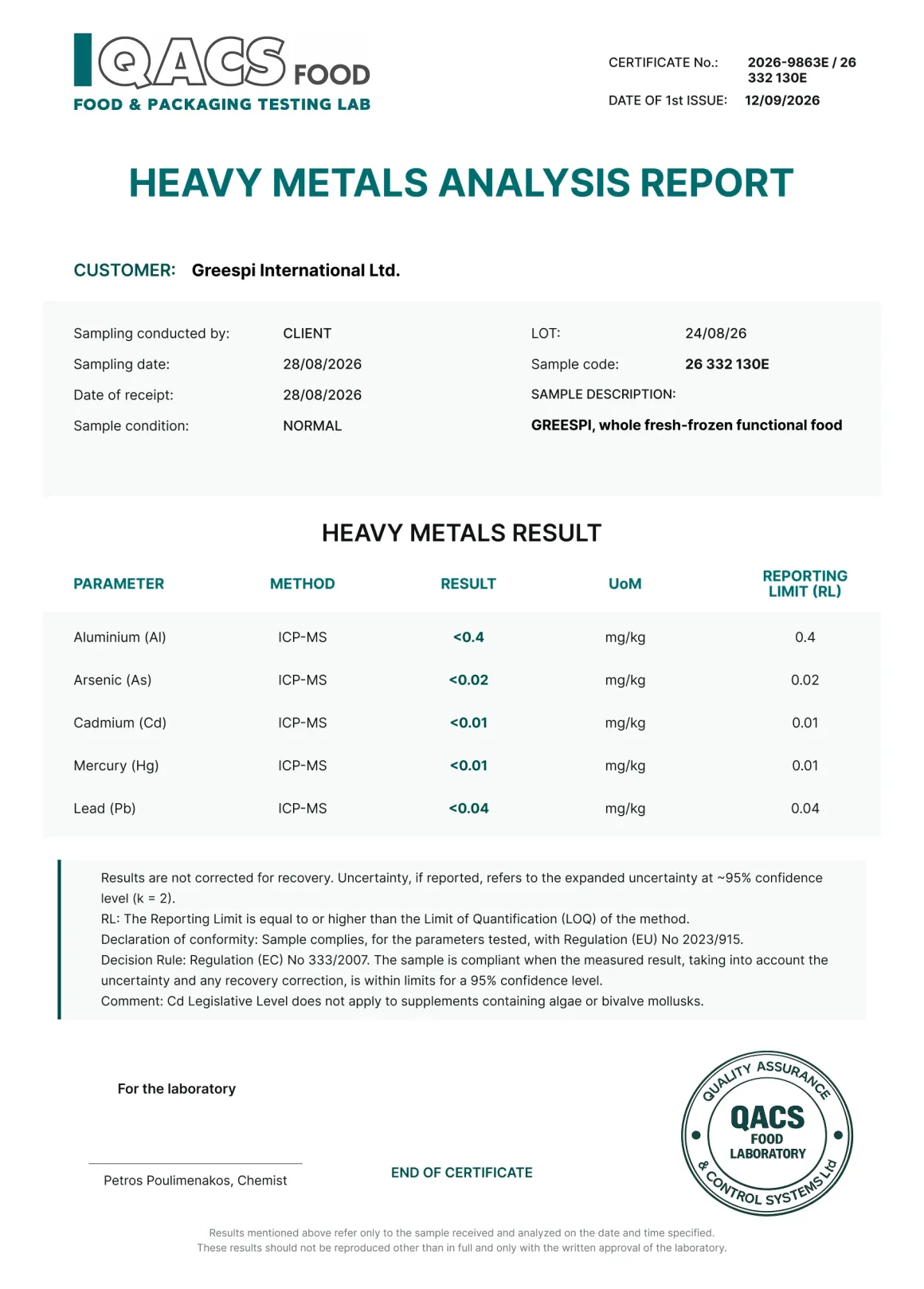
HEAVY METALS ANALYSIS REPORT
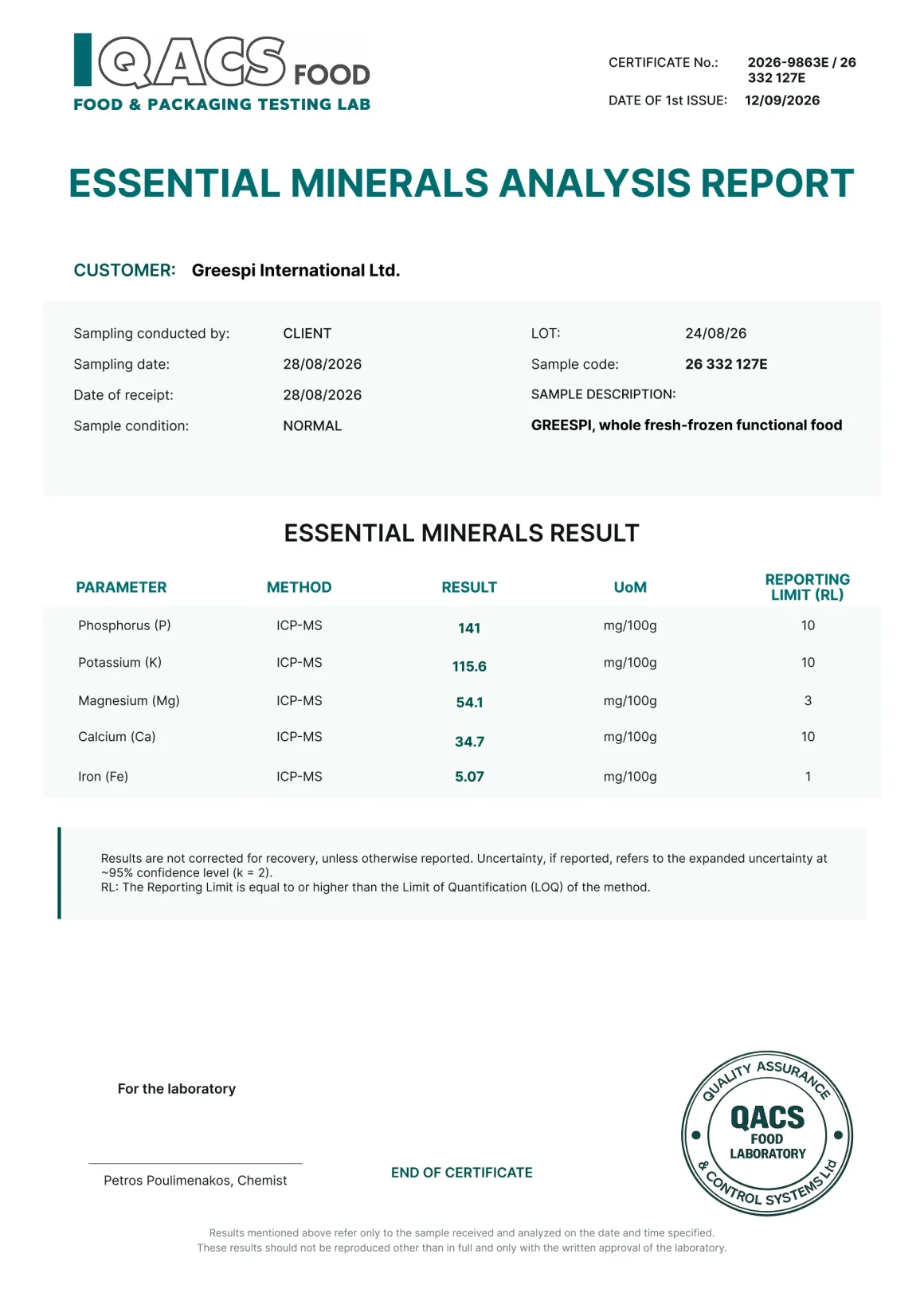
ESSENTIAL MINERAL ANALYSIS REPORT
SCIENTIFIC GLOSSARY

A scientific approach that studies the body as a unified ecosystem of interconnections rather than a collection of isolated organs.
A state in which bioactive compounds within a natural matrix support each other's absorption rather than competing for uptake.
Competition between isolated micronutrients (for example, excess calcium hindering iron uptake), which is absent within a balanced native cell matrix.
The body's expenditure of energy and digestive resources to process rigid ballast structures (such as higher-plant cellulose) and eliminate metabolic byproducts.
The natural passage of bioavailable compounds across cell membranes along a concentration gradient, without harsh digestion or additional cellular energy expenditure.
The dynamic equilibrium between oxidation (oxidative load) and reduction (electron donation and cellular antioxidant defense).
Specific signaling proteins of the immune system. Their balance reflects coordinated, physiological immune signaling without hyper-reactivity.

Natural molecules whose native structure is irreversibly degraded upon heating or prolonged exposure to oxygen (as during thermal drying and powder processing).
The unfolding and disruption of a protein's three-dimensional spatial structure, resulting in the loss of its native enzymatic and functional bioactivity.
Key microbial metabolites (such as butyrate) that serve as the primary energy source for intestinal epithelial cells, supporting mucosal barrier integrity.
Multiprotein intercellular complexes ("locks") between intestinal epithelial cells that regulate mucosal permeability and maintain barrier integrity.
The physiological capacity of the intestinal lining to allow the uptake of bioavailable nutrients while maintaining a protective barrier against unwanted luminal compounds.
An essential mitochondrial coenzyme required for cellular energy (ATP) production and DNA repair processes.
Endogenous lipid signaling molecules synthesized from gamma-linolenic acid (GLA) that help maintain balanced cytokine signaling and physiological vascular tone.
A selective physiological filter protecting neural tissue by allowing essential nutrients to pass while restricting unwanted circulating compounds.

Functional readiness of specialized innate immune lymphocytes involved in rapid physiological immune surveillance.
A key signaling cytokine that coordinates communication across innate and adaptive immune pathways.
A neuronal signaling pathway (brain-derived neurotrophic factor and transcription factor CREB) involved in neuroplasticity, synaptic connection formation, and working memory support.