
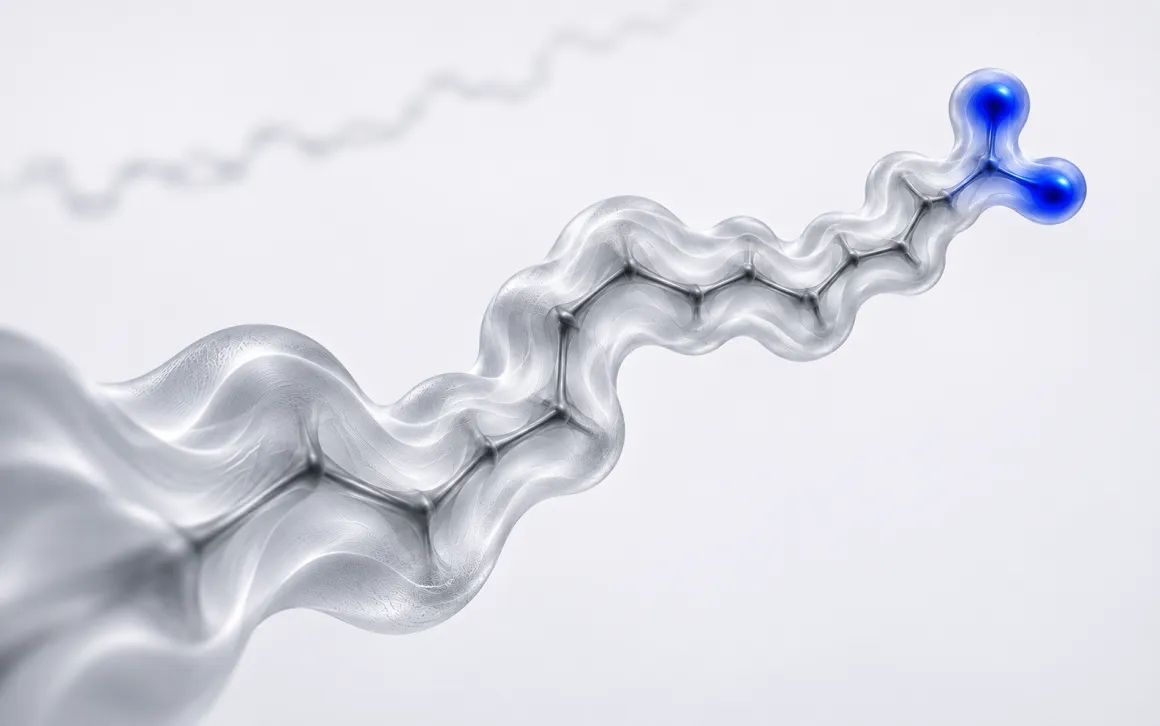
What Depletes and Restores the Gut Lining: Key Factors
Digestive comfort and nutrient absorption depend directly on the physical integrity of your intestinal mucosal lining, which completely renews itself every four days. When chronic stress, morning coffee on an empty stomach, and age-related enzyme slowdowns leave the body short of specific structural fats, newly formed mucosal membranes turn out thin and reactive. Supporting this barrier takes simple daily digestive pauses alongside native polar gamma-linolenic acid, naturally present in Greespi functional food.
- Jun 9, 2025
- Tata Grabovska
- 5 min read
Why a Clean Gut Reacts
It is a familiar frustration. You choose whole ingredients and skip refined sugar or heavy sauces, yet an hour after a simple salad or lunch your stomach feels bloated and heavy. Energy drops almost immediately.
Most people blame the food itself or reach for another probiotic. In reality, the underlying issue usually sits in the physical tissue your meal touches first: the mucosal lining of the intestine. Its microscopic villi hold our own brush-border digestive enzymes that complete final nutrient breakdown, while its protective mucus gel gives beneficial bacteria a stable place to live.
When this mucosal lining thins out, surface digestion runs at half capacity. Even nutrient-dense vegetables fail to break down completely, leading to fermentation and gas in the lumen. A sensitive intestinal wall registers normal meal volumes as strain, reacting with tension and a lingering sense of fullness.
Rebuilding Every Four Days
The mucosal lining of the small intestine is only a single cell thick. This delicate frontier constantly separates your bloodstream from digestive acids, microbes, and food particles. To handle such relentless mechanical and chemical work, human physiology gave this tissue the fastest turnover rate in the body: intestinal epithelial cells completely replace themselves every 3 to 5 days¹.
Renewal runs continuously. Every 96 hours, your body assembles billions of fresh bilayer lipid membranes from scratch and locks neighboring cells together using specialized protein-lipid seals known as tight junctions. A thick protective gel called mucin then coats the surface to shield the wall from friction.
Your body builds a new gut lining every four days regardless of circumstances. What changes is the quality of the building material available in the bloodstream when those cells divide. Daily internal factors determine whether that new lining turns out flexible and calm, or thin and reactive.
Factors of Daily Depletion
Mucosal depletion rarely happens overnight. It often begins with combining the morning cortisol peak with coffee on an empty stomach. A strong espresso before breakfast stimulates hydrochloric acid and bile release while the gut wall has no food buffer, and stress hormones simultaneously constrict tiny capillaries in the submucosa.
Reduced capillary blood flow leaves rapidly dividing epithelial cells short of oxygen right when they need it most. Adding frequent snacking throughout the day compounds the issue, because the mucosa misses the quiet window required to run its natural self-cleaning wave and rebuild its mucin layer.
Localized oxidative stress and an excess of refined industrial seed oils create further strain. High intakes of standard linoleic acid from processed foods convert easily into arachidonic acid inside cells, fueling tissue reactivity and accelerating membrane wear.
The Structural Lipid Gap
Why does the gut lining effortlessly handle dietary slip-ups in our twenties, yet grow reactive after age 30 or 35? Much of the answer lies in membrane lipid biochemistry.
Making every new intestinal cell membrane both flexible and watertight takes more than omega-3s from fish or olive oil. Epithelial elasticity relies heavily on a rare structural lipid from the omega-6 family called gamma-linolenic acid, or GLA².
Even a clean diet built around wild fish, pasture-raised eggs, avocados, and leafy greens contains virtually zero preformed GLA. During youth and low-stress periods, the body bridges this gap on its own. The liver converts standard dietary plant fats into GLA using a specialized enzyme known as delta-6-desaturase².
That enzyme, however, is a delicate metabolic bottleneck. Its natural activity gradually slows down after age 30, and chronic stress, elevated cortisol, sleep debt, glucose spikes, or low magnesium and zinc levels suppress it even further².
When internal GLA synthesis lags behind, the body shifts into economy mode. It patches new mucosal membranes together using whatever rigid fats are circulating nearby. With less GLA available, mucosal cells produce fewer protective signaling molecules, specifically series-1 prostaglandins PGE1, which normally stimulate thick mucin secretion and keep intercellular junctions anchored³ ⁴. The renewed lining turns out thin and sensitive, turning an ordinary lunch into a source of heaviness.
[ 96 hrs ] Full epithelial turnover cycle
[ 28.6% ] Native GLA share in Greespi’s fatty acid profile
[ pH 6.8 ] Physiological neutrality of the native product
Why Oil Softgels Strain
Taking preformed GLA through evening primrose or borage oil softgels looks like an easy workaround on paper. For a sensitive digestive tract, however, concentrated seed oils often create extra work due to their chemical form.
Wild plant seeds store GLA as heavy neutral fats called triglycerides. Emulsifying and breaking down a concentrated dose of oil from a gelatin capsule requires a substantial surge of bile acids and pancreatic enzymes. On an already sensitive stomach and duodenum, that concentrated oil load frequently brings digestive heaviness.
The GLA molecule also carries three double carbon bonds, making it prone to rapid oxidation during mechanical pressing and shelf storage. Oxidized oil loses its structural value for delicate membranes, and most of the gram-sized triglyceride dose is burned as caloric fuel.
Three Habits for Protection
Taking daily pressure off your intestinal mucosa starts with three physiological habits.
-
Start your morning with a glass of warm water 20 to 30 minutes before coffee, and avoid drinking espresso on a completely empty stomach. This water buffer dilutes gastric acid and shields the mucosal mucin layer from morning cortisol constriction.
-
Leave clean 3.5- to 4-hour intervals between meals without snacking. During calorie-free windows, the small intestine triggers its natural housekeeping wave, the migrating motor complex, clearing residual fermentation and giving epithelial cells uninterrupted time to regenerate.
-
Bring thermal gentleness to your evening meal. Whenever your stomach feels prone to evening bloating, swap large bowls of rough, raw vegetables at dinner for steamed, baked, or lightly braised produce. Warm, softened fiber nourishes the microbiome while interacting gently with the gut wall.
Body as a Dynamic System
Because the intestinal mucosa operates as a living, dynamic system that renews itself every four days, it needs a consistent daily foundation rather than occasional rescue protocols.
Greespi functional food is created precisely for daily support of the gut ecosystem and cellular nutrition, delivering gamma-linolenic acid in its intact native form. Within Greespi’s fatty acid profile, native GLA accounts for 28.6% of total fatty acids and 60% of the polyunsaturated fraction, with zero arachidonic acid.
For sensitive digestion, the physical form of this lipid makes a decisive difference. In Greespi, GLA is naturally embedded within amphiphilic polar glycolipids and phospholipids⁵, matching the water- and fat-compatible architecture of human cell membranes. With a neutral pH of 6.8 and zero cellulose cell walls, these polar lipids interact gently with the mucosa and disperse smoothly in the aqueous environment of the intestine, moving into the upper digestive tract within minutes⁵.
Within a functional food, every compound works in concert. Alongside polar lipids, a portion of Greespi carries native phycocyanin, chlorophyll, and carotenoids that support epithelial redox balance, while naturally present vitamin C, zinc, and manganese participate in cellular antioxidant protection as new cells divide.
Every other stage of four-day renewal is supported by this same natural composition: native vitamin A and niacin contribute to the maintenance of normal mucous membranes, calcium supports the normal function of digestive enzymes, and bioavailable free amino acids, magnesium, and iron participate in physiological cell division. A morning portion of Greespi has a clean, neutral profile, requires only a brief ten-minute pause before breakfast or coffee, and provides a calm daily foundation for digestive balance.
Key Terms
-
Mucin: a protective glycoprotein gel coating the intestinal lining that houses beneficial microbes and shields epithelial cells from digestive acids and friction.
-
Delta-6-desaturase: the primary liver enzyme responsible for converting dietary plant fats into gamma-linolenic acid, whose activity naturally slows with age and elevated cortisol.
-
Polar lipids: amphiphilic structural fats, including phospholipids and glycolipids, that form cell membranes and disperse smoothly in the aqueous gut environment during normal digestion.
References
- Barker, N. (2014). Adult intestinal stem cells: critical drivers of epithelial homeostasis and regeneration. Nature Reviews Molecular Cell Biology, 15(1), 19–33.
- Sergeant, S., Rahbar, E., & Chilton, F. H. (2016). Gamma-linolenic acid, Dihomo-gamma linolenic, Eicosanoids and Inflammatory Processes. European Journal of Pharmacology, 785, 77–86.
- Willemsen, L. E. M., Koetsier, M. A., Balvers, M., Beermann, C., Stahl, B., & van Tol, E. A. F. (2008). Polyunsaturated fatty acids support epithelial barrier integrity and reduce IL-4 mediated permeability in vitro. European Journal of Nutrition, 47(4), 183–191.
- Wallace, J. L. (2008). Prostaglandins, NSAIDs, and gastric mucosal protection: Why doesn't the stomach digest itself? Physiological Reviews, 88(4), 1547–1565.
- Stremmel, W., Ehehalt, R., Staffer, S., Stoffels, S., Mohr, A., Karner, M., & Braun, A. (2012). Mucosal protection by phosphatidylcholine. Digestive Diseases, 30(Suppl. 3), 85–91.
For educational purposes only; not a substitute for medical advice. Greespi is a functional whole food, not a medication. © Greespi. Quoting permitted with an active link to greespi.com.